

Import Customs Clearance UK
Declarations filed, duty calculated, goods released
We handle CDS declarations, classification, duty and VAT for goods arriving in the UK — so shipments clear first time instead of sitting at the border while paperwork is corrected.
- 30 min Typical quote response
- 24/7 Every day of the year
- 7 Languages spoken in-house
Fast, Reliable Import Support
Import customs clearance has become significantly more complex since Brexit. Businesses that previously moved goods freely across EU borders now face full customs requirements in both directions, and the regulations governing those requirements continue to evolve. For many businesses, managing this process without dedicated customs expertise can create serious financial risk, as well as delays, penalties, storage charges, and goods being held at the border while errors are resolved.
At GEIM, import customs clearance is one of our core areas of expertise. Our dedicated team understands the legal and procedural requirements needed to help goods clear customs smoothly and without unnecessary delay. We handle declarations, classification, duty and VAT, and freight coordination, giving you confidence that compliance is in place and your goods keep moving. If you import goods that may fall under CBAM, we can help you check.
What Is Import Customs Clearance?
Import customs clearance is the formal process of declaring goods arriving in the UK to HMRC, assessing any applicable duty and VAT, and securing permission for those goods to enter the country.
Any goods imported into the UK must go through customs clearance before they can be released and delivered. This involves submitting the correct documentation, accurately classifying goods under the UK Trade Tariff, and accounting for any duty and VAT due before the shipment is cleared.
Because every shipment is assessed individually, even small errors in classification, valuation, or paperwork can lead to delays or additional charges. GEIM handles this process every day, helping importers prepare declarations correctly, meet HMRC requirements, and avoid problems that often arise when customs is managed without specialist support.

How Import Clearance Works
Import customs clearance works by moving a shipment through a series of compliance checks and declarations before goods can legally enter the UK. Each step must be completed accurately and in the right order, against regulations that change regularly. For businesses without dedicated customs expertise, keeping pace with those changes while managing day-to-day operations is where mistakes happen and where the financial cost begins to accumulate.
Here's a step-by-step breakdown of exactly how import clearance works:
Obtain an EORI number
An Economic Operator Registration and Identification (EORI) number starting with GB is required to import goods into Great Britain. It must be registered with HMRC and appear on all customs declarations. Without one, clearance cannot begin.
Determine commodity codes
Every item must be classified with the correct commodity code from the UK Trade Tariff. This determines the applicable duty rate, VAT treatment, and any import restrictions. Commodity codes and the rules governing them are subject to change, and businesses are expected to apply the correct code at the time of declaration. Incorrect classification is one of the most common and costly mistakes in import clearance. HMRC has the authority to reassess duty and apply penalties where errors are identified, including retrospectively.
Prepare documentation
The core documents required are a commercial invoice, packing list, and transport document (Bill of Lading or Air Waybill). Where goods are controlled or restricted, supporting licences or certificates must be secured before the shipment arrives. Documentation requirements evolve as regulations change, and what was sufficient for a shipment six months ago may not meet current HMRC standards. Incomplete or inaccurate paperwork at the border is a leading cause of delays and avoidable storage charges.
Submit an import declaration
The import declaration is submitted electronically through HMRC's Customs Declaration Service (CDS), covering the shipment details, origin, customs value, and applicable procedure. It can be submitted by the importer directly or by an appointed customs agent. Declarations must be filed within defined timeframes and must reflect current procedural requirements. Late or non-compliant submissions can result in penalties.
Pay duty and VAT
Import duty and VAT become payable once clearance is granted. Rates are determined by the commodity code and country of origin, and are subject to change through updates to the UK Global Tariff and trade agreements. Goods valued under £135 are generally not subject to customs duty, though this relief is due to be removed by March 2029. VAT-registered businesses may be eligible for postponed VAT accounting (PVA), allowing import VAT to be reported through the VAT return rather than paid at the point of import.
Receive clearance and arrange delivery
Once HMRC has assessed the declaration and applicable charges are settled, goods are released. Where documentation is complete and accurate, clearance can be achieved within a few hours. Shipments selected for inspection or where queries arise typically take between one and seven working days. The accuracy of the declaration is the single greatest factor in how quickly goods are released.
UK customs regulations is constantly changing, and businesses are expected to keep pace regardless of whether they have the resource in-house to do so. Tariff rates, documentation requirements, classification rules, and compliance procedures change regularly.
For many businesses, the cost of falling behind is big. Incorrect declarations, missed regulatory updates, and classification errors translate directly into financial loss, through penalties, overpaid or underpaid duty, delayed stock, and disrupted supply chains. For businesses managing compliance alongside everything else, without dedicated customs expertise to absorb that change, the exposure is significant. Choosing the right support can help.

Import Customs Clearance Businesses Risks
For businesses without dedicated in-house customs expertise, import clearance presents a genuine operational and financial risk. Since the UK's departure from the EU customs union, the volume and complexity of requirements has increased substantially, and they have not stood still. Regulations, tariff rates, and documentation requirements continue to evolve, and keeping pace with those changes while managing day-to-day operations is a considerable ask.
The consequences of getting it wrong are not minor. HMRC has the authority to issue financial penalties for errors in declarations, charge interest on underpaid duty, and conduct retrospective audits covering multiple years of import activity. Beyond penalties, errors create operational disruption: goods held at the border, unexpected storage charges, missed delivery windows, and supply chain delays that affect the wider business.
These are the areas where problems most commonly occur.
Commodity code errors
The UK Trade Tariff contains thousands of commodity codes, and accurate classification requires detailed knowledge of both the goods and the tariff structure. An incorrect code can mean the wrong duty rate is applied, import restrictions are missed, or additional licensing requirements go unidentified. HMRC can challenge classifications after the fact, and where underpayment of duty is identified, penalties and interest apply.
Customs valuation mistakes
The customs value declared to HMRC is not always the same as the purchase price. HMRC applies specific valuation rules that may require freight costs, insurance, royalties, and other charges to be included. Declarations that do not reflect this correctly risk underpaying duty, which can trigger reassessment and financial exposure that was not anticipated.
Incomplete or inaccurate documentation
A commercial invoice that does not meet HMRC's requirements, a missing packing list, or a licence that was not secured in advance can all bring a shipment to a halt at the border. While the paperwork is corrected, goods sit in storage, charges accumulate, and delivery schedules slip. These are avoidable costs that tend to arise when the process is not managed carefully from the outset.
Post-Brexit complexity
Since the UK left the EU customs union, full customs declarations are required for goods moving between Great Britain and the EU in both directions. Requirements that apply to specific goods, routes, and origins have continued to develop since the transition. For businesses that previously relied on the freedom of the single market, the current environment demands a level of customs knowledge that many do not have in-house, and the cost of gaps in that knowledge falls directly on the business.
Changing regulations
UK customs regulations, tariff rates, and import requirements are not static. New controls, updated procedures, and changes to trade agreements all affect how goods need to be declared and what documentation is required. Staying current requires dedicated attention. For businesses focused on their core operations, this is frequently where compliance slips.
Declaration timing
Declarations must be submitted within defined timeframes, and supporting documentation must be in place when goods arrive. Where supplier paperwork arrives late, requirements are not confirmed in advance, or the process is not managed proactively, shipments can miss their clearance window and incur penalties or storage charges as a result.
Why Choose GEIM For Import Clearance?
Tailored Solutions for Every Business
Whether you’re importing high-value items, perishables, or bulk shipments, GEIM offers tailored solutions that meet your specific needs. We work closely with businesses of all sizes, ensuring that our services fit into your operational strategy.
Real-Time Updates
Stay informed at every step. Our advanced tracking system provides real-time updates on the status of your shipments, so you’re never left wondering where your goods are.
Dedicated Customer Support
Our team is available to assist you every step of the way, providing support and advice whenever you need it. We are committed to transparency and efficiency, ensuring that your experience with GEIM is smooth and stress-free.
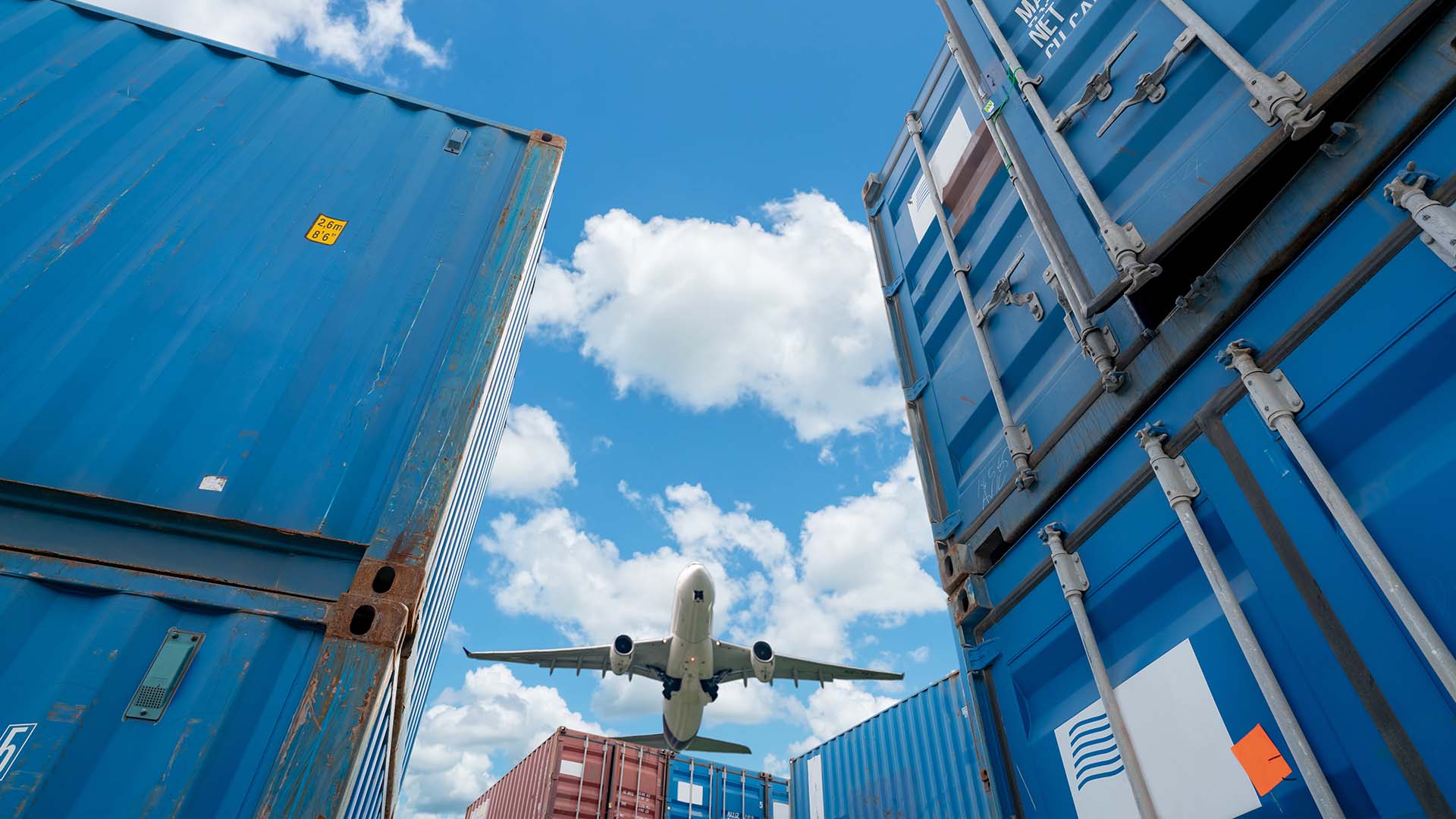
Streamline Your Import Process with GEIM
At GEIM, we are committed to helping you streamline the import clearance process. With our expertise, cutting-edge technology, and customer-first approach, we ensure that your goods move through customs smoothly, allowing you to focus on your business or personal needs.
Frequently asked questions
Import customs clearance is the process of submitting declarations and supporting documents so goods can legally enter the UK and be released through customs. This includes declaring what the goods are, their value, origin, and any duties or VAT that apply. Customs authorities review that information before allowing the shipment to move forward. At GEIM, we manage import customs clearance by making sure declarations are accurate and paperwork is complete before goods arrive, helping reduce delays and compliance issues.
Import customs clearance in the UK can take from a few minutes to several hours, depending on the shipment and whether customs selects it for inspection. When documentation is complete and declarations are accurate, clearance often happens quickly. Delays are more likely if information is missing, classifications are incorrect, or supporting documents do not match the shipment. GEIM helps keep imports moving by preparing declarations correctly and resolving issues early where possible. We aim to have your import customs clearance prepared within 15-30 minutes to save you time, provided all information is received.
Yes, delays can happen during import clearance if customs needs more information or identifies an issue with the declaration. Common causes include missing paperwork, incorrect commodity codes, valuation errors, or goods being selected for inspection. The best way to reduce delays is to make sure everything is correct before the shipment reaches the border. GEIM supports this by reviewing declarations carefully and responding quickly if customs raises queries.
Yes, GEIM supports import clearance across the UK. Whether your shipments arrive by air, sea, or land, we ensure a smooth and compliant process at any entry point.
We combine experience with cutting-edge digital tools and a customer-first approach. Our goal is to provide peace of mind and consistent communication, keeping you updated every step of the way.
The documents needed for import customs clearance usually include a commercial invoice, packing list, EORI number, transport documents, and any licences required for controlled goods. Some shipments may also need certificates of origin or product-specific documentation depending on the goods being imported. Because requirements vary by shipment, GEIM checks documentation carefully before submission to help avoid customs delays.
Import customs clearance completed means customs has accepted the declaration and the goods have been cleared to enter the UK. At that point, any duties or VAT due will usually have been accounted for, and the shipment can move on for delivery or collection. If goods are still being held after clearance, it is usually due to transport, handling, or port release processes rather than customs itself.
After import customs clearance is completed, goods are released for onward delivery, collection, or transfer to their final destination. Depending on the shipment route, they may move directly to a warehouse, distribution point, or customer location. GEIM continues to support clients beyond clearance where needed, helping make sure the full import process runs smoothly from border to destination.
Customs clearance in the UK can take anywhere from a few minutes to several hours, depending on the shipment and whether customs selects it for inspection. Straightforward shipments with correct documentation are often cleared quickly, but delays can happen if declarations are incomplete, commodity codes are incorrect, or supporting documents are missing. The fastest way to avoid unnecessary hold-ups is to prepare everything before goods arrive. GEIM works closely with importers and exporters to make sure entries are submitted correctly and cleared as efficiently as possible.
Customs clearance costs vary depending on the type of goods, the shipment value, and the complexity of the declaration. Charges can include customs duties, import VAT, and clearance fees for handling the declaration itself. If goods require additional checks or specialist documentation, costs may increase. Because every shipment is different, it’s important to understand what applies before goods move. GEIM provides customs support tailored to the shipment so businesses know what is required and where costs may arise.
Customs brokerage services are professional services that manage customs declarations and compliance for importers and exporters. This includes preparing entries, submitting declarations, checking commodity codes, handling customs paperwork, and making sure goods meet UK border requirements. A customs broker helps reduce risk by making sure shipments are processed correctly before they reach the border. At GEIM, customs brokerage is built around practical support, clear communication, and helping goods move without unnecessary delays.
A customs broker in the UK acts on behalf of importers and exporters to manage customs declarations and make sure shipments comply with HMRC requirements. That includes submitting import or export entries, checking tariff codes, calculating duties, and resolving issues if customs requests further information. For businesses moving goods regularly, having the right customs support can prevent costly delays and compliance issues. GEIM works directly with clients to make sure declarations are accurate and shipments stay on track.
You do not legally need a customs agent to import goods into the UK, but many businesses use one because customs requirements can be complex and mistakes can be costly. Import declarations must be accurate, and even small errors in commodity codes, values, or documentation can lead to delays, penalties, or extra charges. A customs agent helps manage that process and reduces the risk of problems at the border. GEIM supports UK importers by handling declarations properly and helping goods clear smoothly.
A customs broker is not mandatory after Brexit, but customs processes have become much more detailed for UK-EU trade, so many businesses now rely on one to manage declarations correctly. Goods moving between the UK and EU now require full customs entries, and businesses must meet rules around origin, VAT, and tariff classification. For companies trading regularly, having customs support helps avoid disruption and keeps goods moving efficiently. GEIM helps businesses navigate post-Brexit customs requirements with practical, day-to-day support.
The main customs documents needed for international shipments usually include a commercial invoice, packing list, transport document, and any certificates required for the goods or destination country. Depending on the shipment, customs may also require proof of origin, commodity codes, or import licences. The exact paperwork depends on where the goods are going and what is being shipped. GEIM helps make sure documents are complete and correct before shipment, which reduces the risk of delays at clearance.
GEIM helps reduce delays and extra costs during customs clearance by managing declarations accurately, checking paperwork before submission, and keeping every shipment aligned with the right customs process and timings. That helps lower the risk of customs holds, storage fees, demurrage, and avoidable delays that can impact delivery schedules and add unnecessary cost to your operation. By handling customs proactively, GEIM helps businesses protect margins, keep goods moving, and stay in control of the import process.