

Goods Movement Reference (GMR)
A GMR raised in minutes, day or night
Without a valid GMR a driver is turned away at check-in rather than at the border. We raise references around the clock and amend them when a load changes at short notice.
- 30 min Typical quote response
- 24/7 Every day of the year
- 7 Languages spoken in-house
Specialist GMR Support for UK and EU Ferry Crossings
A Goods Movement Reference, or GMR, is the reference that connects your vehicle's ferry crossing to the customs declarations for the goods it's carrying. Without a valid one, your vehicle can't proceed through a GVMS-controlled port.
Getting a GMR right depends on a chain of customs work being completed accurately and in the right order before the vehicle reaches port. When that chain breaks, it breaks at the worst possible moment.
At GEIM, we handle GMR preparation for businesses moving goods through UK and EU ferry ports, and we support businesses who've discovered a problem at short notice and need it resolved quickly.

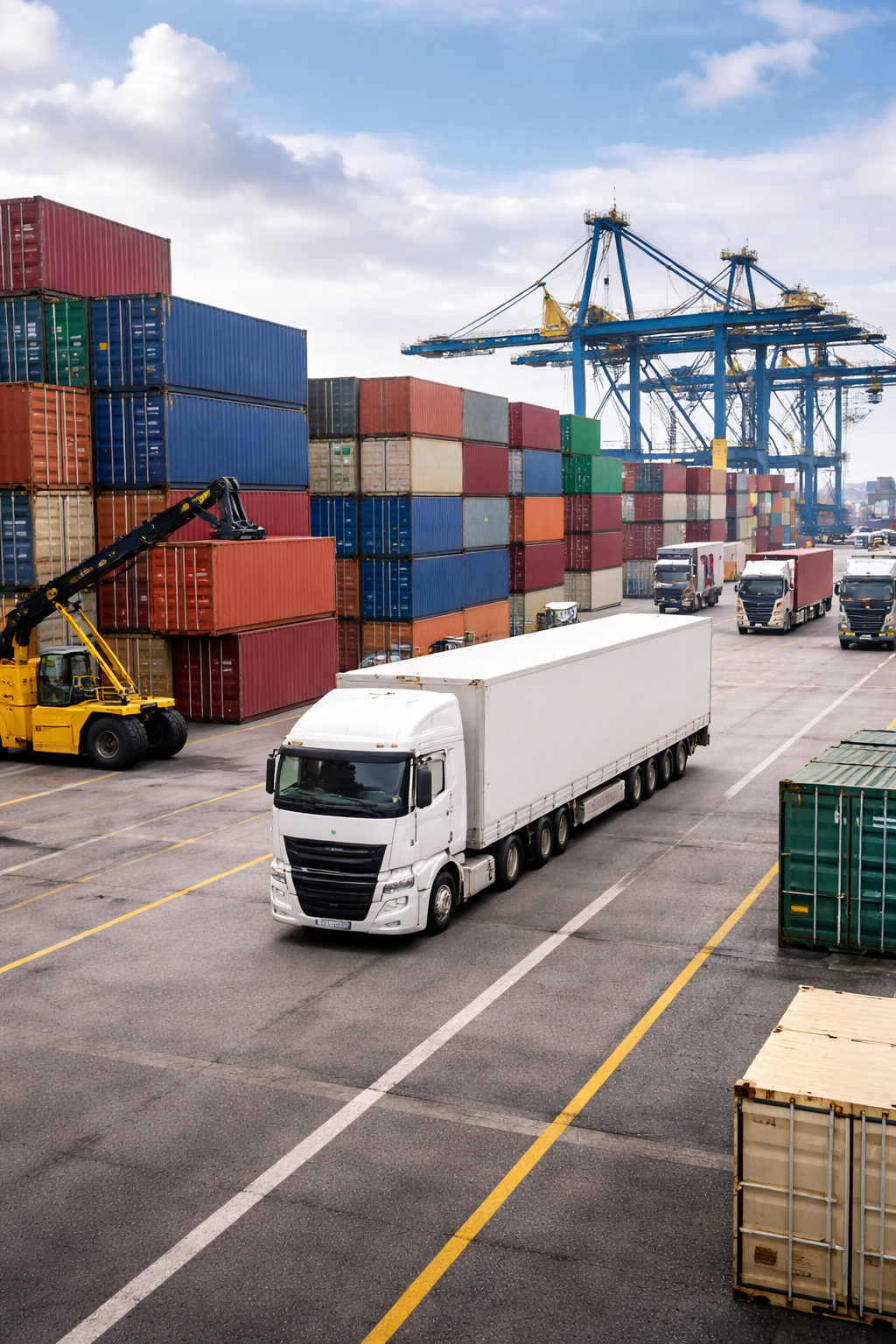
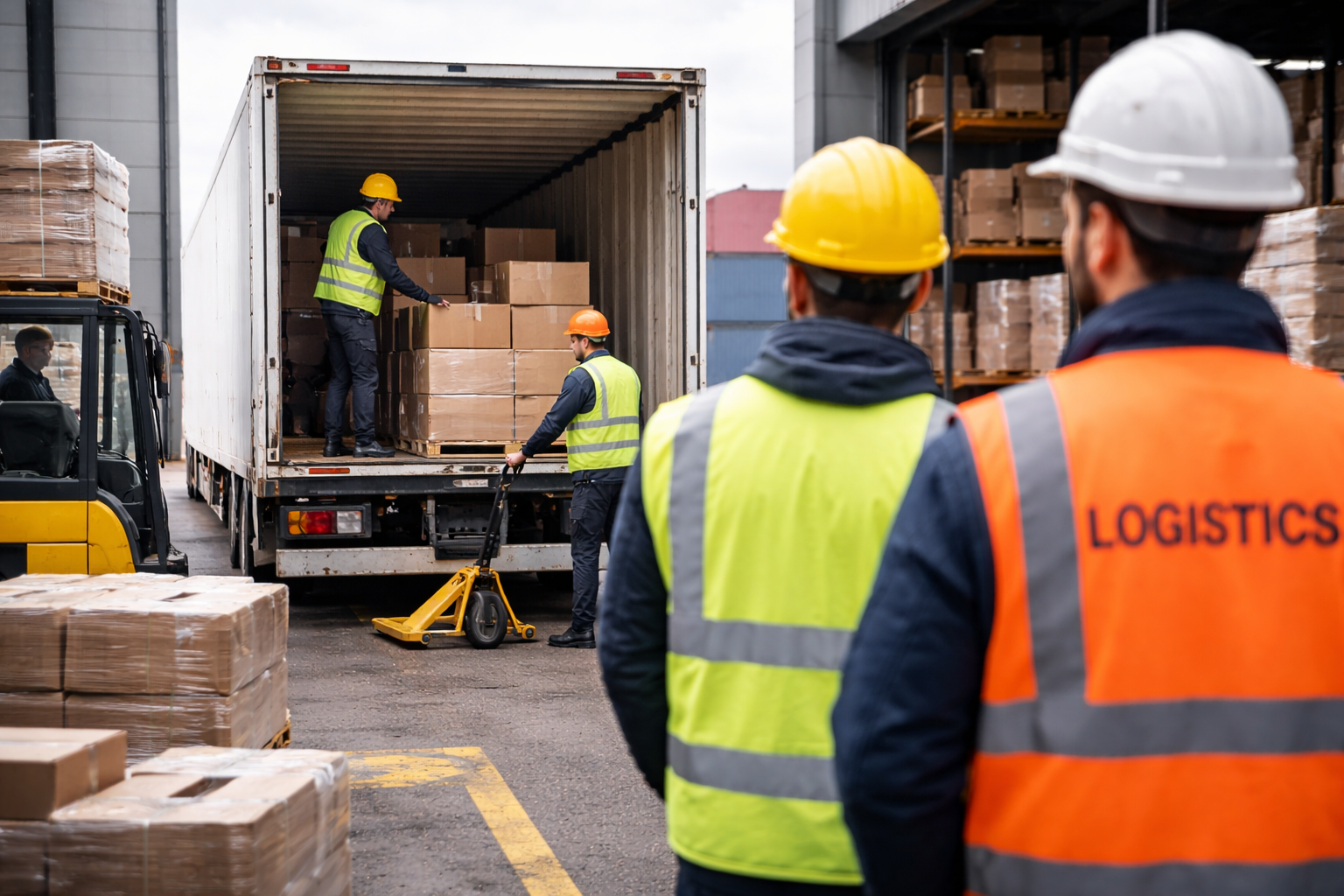
What is a Goods Movement Reference?
A Goods Movement Reference is a unique reference number generated by the UK's Goods Vehicle Movement Service that links a vehicle's ferry crossing to the customs declarations for the goods being carried.
It's not the same as a customs declaration. The declaration describes your goods, their value, their origin, and the customs procedure that applies. The GMR is what connects that declaration to your specific vehicle, on your specific route, on your specific crossing date. Both need to be in place and both need to be correct.
A single error in a declaration reference is enough to prevent a GMR from validating. That problem almost always surfaces at the port rather than before departure, which is why having the right support in place matters before the vehicle leaves.

When Do You Need a GMR?
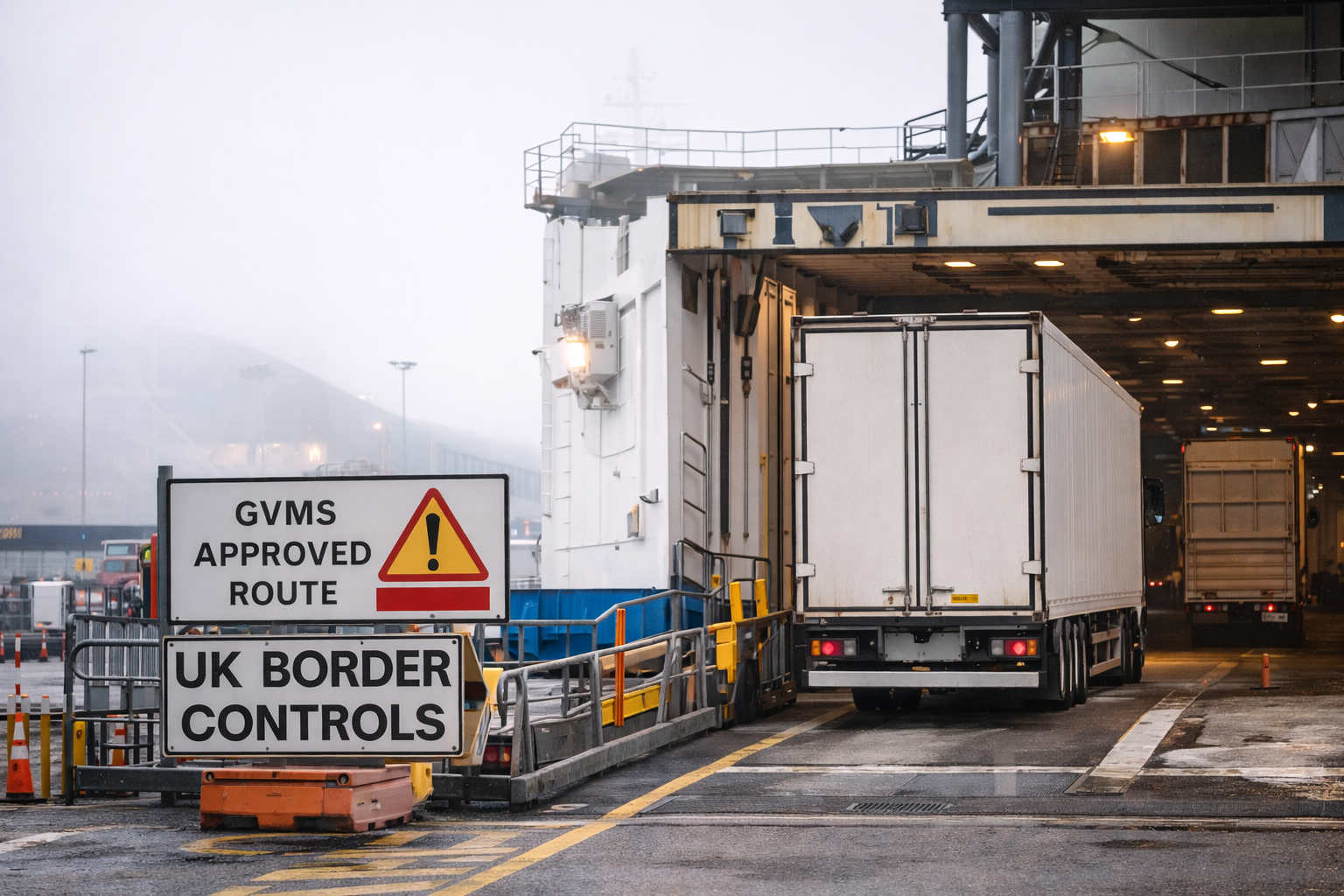
A GMR is required when goods are moving through a UK border location that uses the Goods Vehicle Movement Service. In practice, this means most roll-on roll-off ferry routes between Great Britain and the EU, including Dover, Folkestone via the Channel Tunnel, Holyhead, Hull, Harwich, and Portsmouth.
You'll need a GMR for goods travelling from Great Britain to the EU by ferry, for goods arriving into Great Britain from the EU by ferry, and for transit movements through GVMS-controlled ports where a transit declaration needs to be linked to the vehicle movement before departure.
If you're not sure whether your route requires a GMR, it's worth confirming before the vehicle departs. Arriving at a GVMS port without a valid one is one of the most preventable causes of border delay.
What Does GMR Preparation Involve?
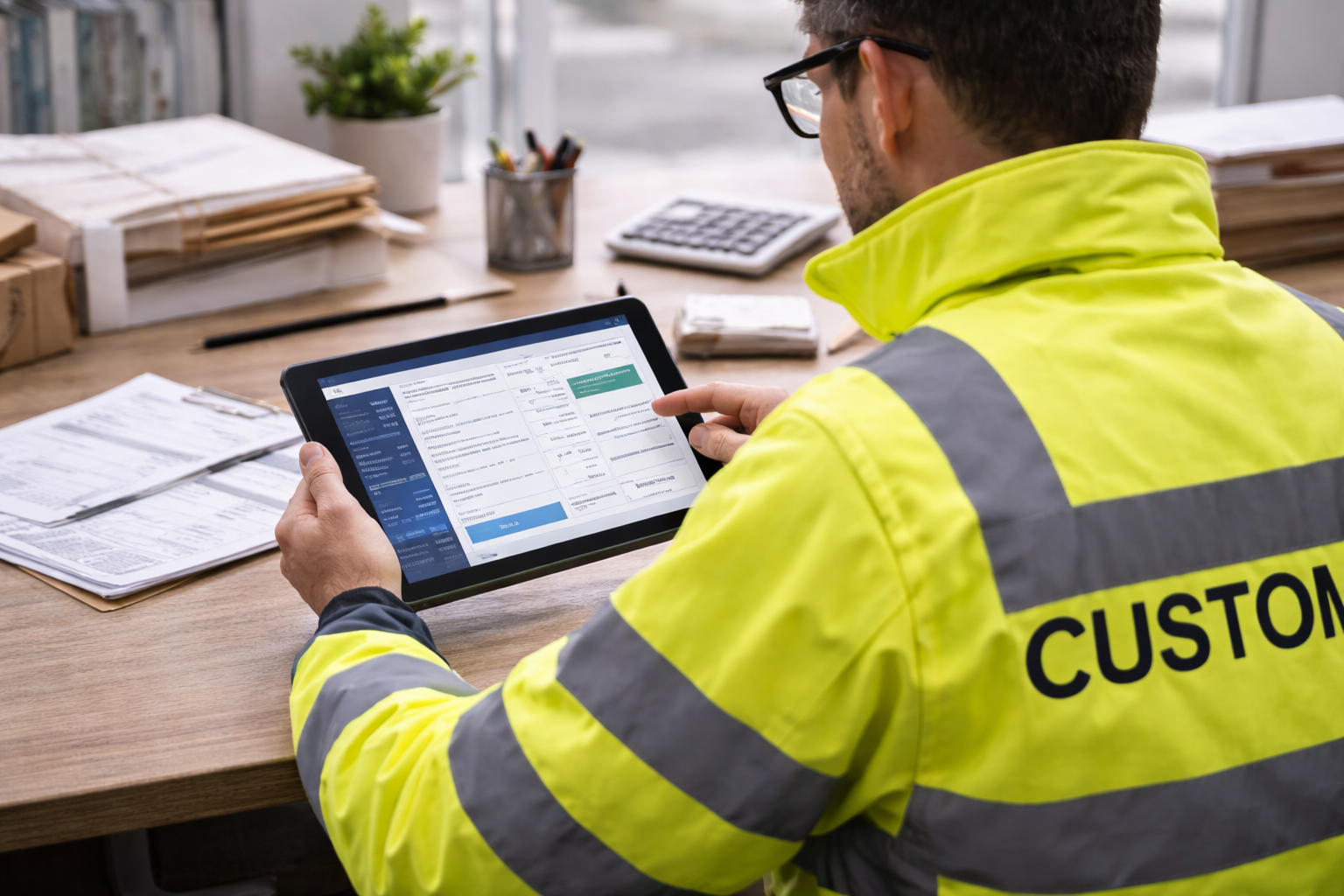
GMR preparation involves making sure every customs declaration for the shipment is submitted and accepted, that all reference numbers are correct, that vehicle details match port records, and that everything is linked inside GVMS before the vehicle departs.
That sounds straightforward. In practice, each of those requirements has to be met in the right sequence and to the exact standard the GVMS system expects. A declaration that's been submitted but not yet accepted can't be linked. A reference number that's been taken from a draft entry rather than the accepted record won't match. A transit declaration that hasn't been formally opened and released won't validate inside GVMS. The system doesn't forgive small errors, and those errors don't announce themselves until the driver is already at the port.
For movements involving a transit procedure, there's an additional sequencing requirement. The transit declaration must be formally approved and a Movement Reference Number issued before the GMR can be created. Managing that correctly while coordinating the wider customs position for the movement is where preparation becomes genuinely complex, and where the cost of getting it wrong is highest.
What Happens if a GMR Goes Wrong?
If a GMR goes wrong, your vehicle can be held at port before boarding, miss its scheduled crossing, and face storage charges while the issue is resolved, often under significant time pressure.
Most problems start small. A reference that doesn't quite match, a declaration that hasn't cleared yet, a transit that wasn't formally opened before the GMR was created. At a port with a crossing window closing and a driver waiting, each of these becomes urgent very quickly. On a busy route a held vehicle might lose a couple of hours. On a less frequent crossing it can mean losing the entire day, with costs building and the haulier sitting idle. A missed crossing moves through the supply chain too. Customers waiting on delivery feel it, and contracts with fixed delivery windows may be missed.
What makes these situations harder than they appear is that GMR problems almost always originate in the customs declarations behind the reference, not in the GVMS system itself. Correcting the GMR without fixing the underlying declaration doesn't resolve anything. You need someone who understands both sides and can work through the customs position quickly, at the point when it matters most. Without that, businesses often find themselves correcting the wrong thing under pressure, making the delay longer rather than shorter.
Most businesses handle GMR preparation without difficulty most of the time. The risk concentrates in specific situations: a declaration that runs late, a transit procedure that adds complexity, an unfamiliar route, or something in the documentation chain that changes at short notice. These are exactly the moments when not having specialist support costs the most.
How GEIM Handles GMR Preparation
We manage GMR preparation as part of a complete customs service, which means we're working on the declarations behind the GMR at the same time as the GMR itself. That's what allows us to catch problems at the source rather than discovering them at the port stage.
Before any GMR is created, we check that every declaration is accepted and carries the correct reference numbers. Where a transit procedure is involved, we confirm the declaration has been formally released and a Movement Reference Number is available before GMR creation begins. We verify vehicle details, confirm the correct port and route, and check that all consignments on the vehicle are accounted for in the references.
We're available 24/7, because freight doesn't move to office hours and neither do GMR problems. If your vehicle is due at port and something isn't right, call us now. If you've got a movement coming up and you want to make sure it's handled correctly from the start, get in touch and we'll work through it with you.
Why Businesses Trust GEIM With GMR Support
Customs and GVMS Expertise
Most GMR problems aren't GVMS problems. They're customs declaration problems. Because we manage both, we identify issues at the source rather than discovering them at the port when there's no time to fix them properly.
Fewer Delays, Lower Risk
Accurate GMR preparation is what keeps vehicles moving. When declarations are checked, references are verified, and everything's in order before departure, the risk of a vehicle being held at port is significantly reduced.
Available When It Matters
GMR problems don't follow office hours. Freight moves overnight and at weekends, and so do we. Whether you're preparing a movement in advance or your vehicle is already en route and something isn't right, call us and we'll work through it with you.
Frequently asked questions
A GMR number is the unique identifier generated when a Goods Movement Reference is successfully created in GVMS. It's what the driver presents at the port to confirm the crossing is linked to valid, accepted customs declarations. If you need a GMR prepared or checked before departure, we can help.
A GMR is valid for 28 days from the date it was created. It can only be used once and is specific to a single crossing. If it expires or the crossing changes, a new one must be created. We manage GMR preparation as part of a complete customs service, so expiry and route changes are handled as part of the process.
No. Each GMR is tied to a specific vehicle, route, and crossing. Once used, it cannot be reused. Attempting to cross with an expired or previously used GMR will result in the vehicle being held. If you're unsure whether your GMR is still valid, call us at GEIM and we'll check it with you
The haulier is responsible for making sure a GMR is in place before the vehicle reaches port. A customs broker or freight forwarder can create one on the haulier's behalf, but responsibility for ensuring it's correct sits with the haulier. At GEIM, we create and verify GMRs on behalf of businesses regularly, alongside the customs declarations behind them. If you need support or a quick solution, get in touch.
Yes, if it's travelling through a GVMS-controlled port. When creating the GMR, the empty vehicle option should be selected. An empty vehicle in GVMS terms means one that is completely empty or carrying only recyclable packaging. If you're not sure how to handle this for your movement, get in touch.
If GVMS determines that a shipment requires a customs inspection, the driver will be notified during or after the crossing and directed to an Inland Border Facility. This is separate from the GMR itself and can happen even when the GMR is correctly created. If your goods have been flagged and you need support, call us and we'll help you work through what's needed.
Yes. A single GMR can link multiple declaration references where a vehicle is carrying several consignments with separate customs entries. Every reference must match exactly, and every consignment on the vehicle must be included. Missing a consignment is one of the most common GMR errors we see and one we check for as standard. To avoid errors, speak to a specialist.
Yes. A GMR is specific to a port and route. If the crossing changes after the GMR has been created, a new one is needed for the correct port and route. We handle route changes and updated GMR preparation as part of our service, so if your plans shift, let us know as early as possible.
No. A GMR links a vehicle movement to its customs declarations inside GVMS. A transit declaration is the customs document that allows goods to move through a country without duties being applied there. Where both are required, the transit Movement Reference Number must be linked inside the GMR before departure. We manage both together. Our transit customs clearance page covers transit declarations in full.
GMR stands for Goods Movement Reference. It links your transport booking to your customs declarations, and it has to be presented, usually through GVMS, before your vehicle can board on a UK-bound crossing.
Yes, if you're moving goods through a UK border location that uses GVMS, which covers most Dover Strait crossings. Ferry and Eurotunnel freight typically needs a GMR; some direct-to-EU routes through other ports may not, so it's worth checking the specific crossing before you travel.